What is the best time of year to see the Northern Lights in Iceland?
Quick answer
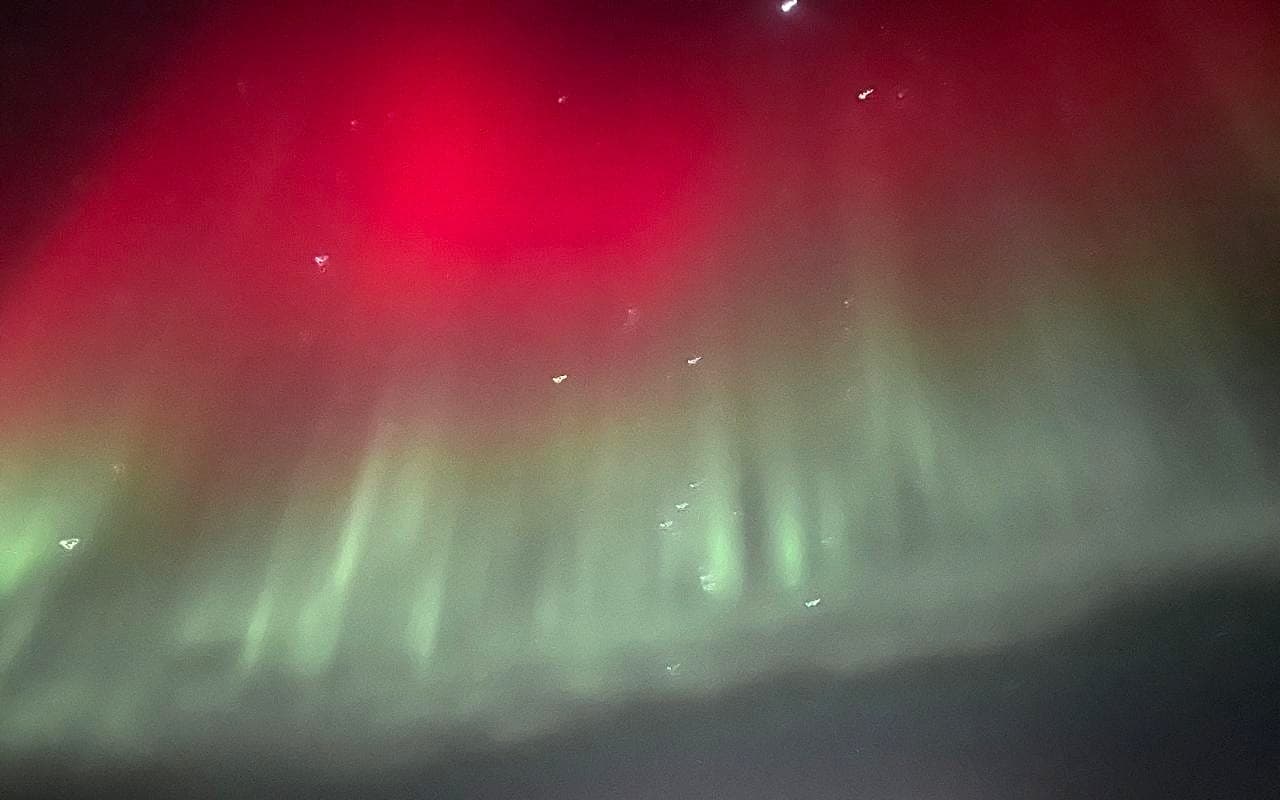
The Northern Lights are visible in Iceland from about late September to early April, when the nights are dark enough. The best months are October, November, February and March — long dark nights combined with more settled weather than midwinter — and on any given night you still need a clear sky and some solar activity.
The season, month by month
- September–October: the season begins; milder weather and darkening nights.
- November–January: the darkest period; great when the sky is clear, but midwinter weather is the most changeable.
- February–March: long dark nights with often more settled skies — many locals' favourite.
The best time of night
Aurora activity peaks around 21:00–02:00, though it can appear any time after full dark.
What else you need
Real darkness away from town, a clear sky (clouds hide even a strong aurora), and some solar activity (the KP index). Check the Icelandic Met Office aurora forecast.
Improve your odds
A private Northern Lights hunt lets your guide chase the clear patches of sky in real time — the single biggest factor in actually seeing them.
Ready to plan your trip?
Tell us your dates and we'll arrange a private airport transfer or a tailor-made tour with a local driver-guide.